FORWARD Working Groups
To support the interdisciplinary objectives of the FORWARD project, the consortium has established a set of specialized research and thematic working groups aligned with the project’s core areas: open science and data governance, water management, food security, sustainable energy, housing and shelter, and gender equality. These working groups bring together academic researchers, technical experts, from local partners to enable collaboration across disciplines and countries, and to ensure that the project integrates scientific knowledge with practical solutions to real challenges faced by communities in war-affected regions. Through this structure, the project ensures that each thematic area benefits from both academic expertise and field-based experience while contributing to the collective development of training materials, case studies, datasets, and learning resources.
Each working group plays a key role in connecting research, education, and community engagement. By working closely with stakeholders in both Ukraine and Palestine, the groups aim to ensure that the project’s outputs respond to local priorities while also contributing to international knowledge on urban resilience in crisis contexts. Through this collaboration, the working groups help bridge the gap between theoretical frameworks, field-based observations, and practical implementation.
The working groups are involved across all phases of the project. Their activities begin in Work Package 2 (Preparation), where they contribute to analytical studies assessing existing competencies, knowledge gaps, and institutional needs related to urban resilience and open science. This phase also includes identifying challenges associated with data collection, management, and sharing in conflict settings, as well as exploring best practices and experiences from partner institutions.
Building on these findings, the Open Science Working Group plays a central role in Work Package 3, supporting the development of the project’s digital infrastructure, including the cloud-based platform, data repository, and tools for FAIR and ethical data management. This infrastructure provides the foundation for collaborative learning and knowledge sharing across the consortium.
All working groups contribute actively to Work Package 4, where they collaborate on the design and development of interdisciplinary training materials, including six thematic modules and the project’s MOOC course. During this stage, the groups also develop practical case studies reflecting real urban resilience challenges and work with partner universities to integrate these modules into local academic curricula.
In the later stages of the project, the working groups continue their involvement through Work Packages 5 and 6, supporting the organization and implementation of training activities, supervising the pilot delivery of the modules through the MOOC, and guiding fieldwork activities associated with the case studies. They also contribute to the evaluation of learning outcomes, data collection processes, and the overall impact of the project’s capacity-building activities.
Through this coordinated structure, the FORWARD working groups ensure that the project maintains a strong connection between research, education, and real-world resilience practices, enabling universities, students, and communities to collaboratively generate and share knowledge that supports recovery and sustainable development in war-affected regions.
Open Science Working Group
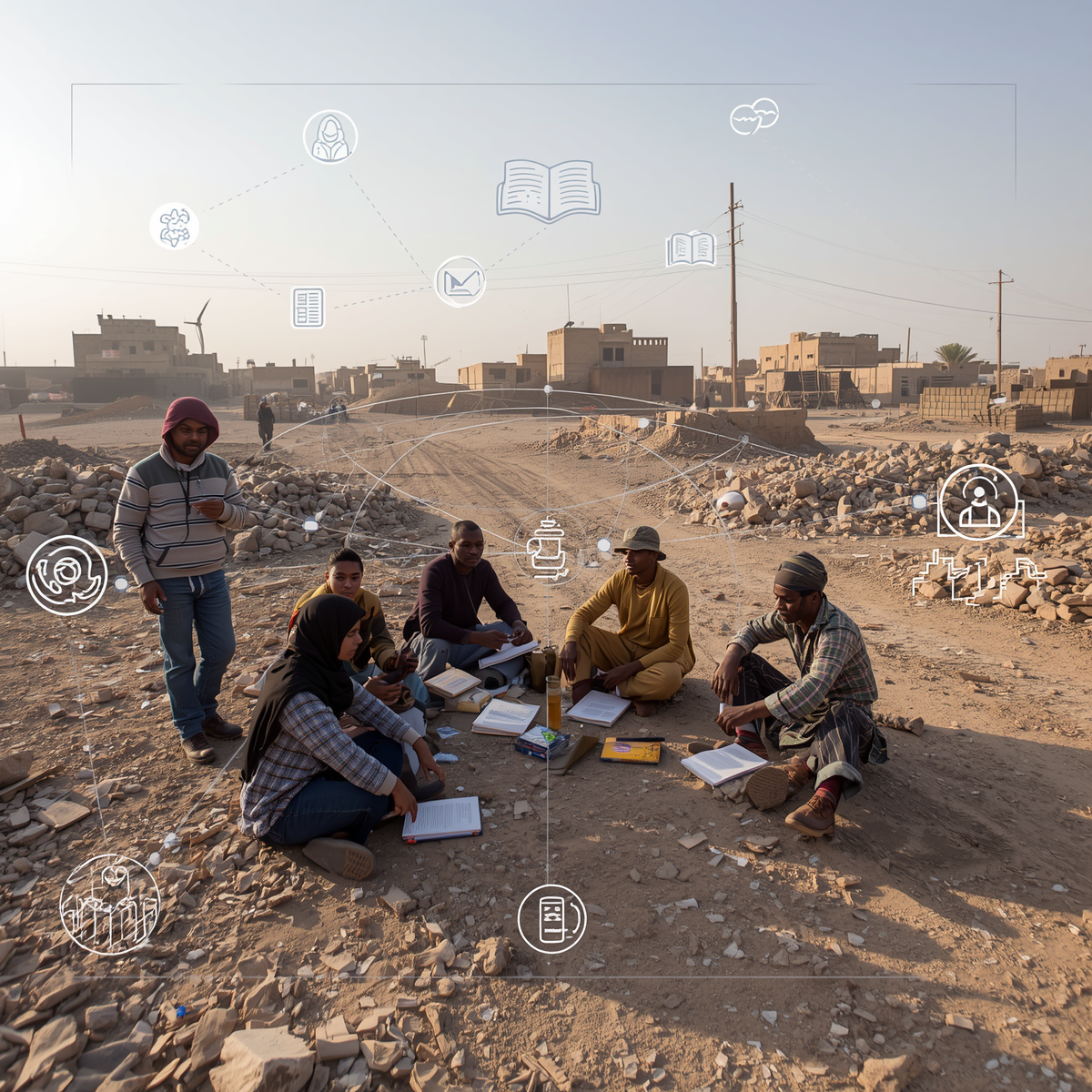
The Open Science and Data Governance Working Group plays a central cross-cutting role in the FORWARD project by ensuring that knowledge generated through the project is collected, managed, and shared in a transparent, ethical, and reusable manner. The group focuses on promoting open science practices and strengthening competencies in FAIR (Findable, Accessible, Interoperable, Reusable) and CARE (Collective Benefit, Authority to Control, Responsibility, Ethics) data principles, particularly in the context of research conducted under crisis and conflict conditions.
In addition to its conceptual and methodological role, the working group also includes the technical team responsible for developing the project’s digital infrastructure. This infrastructure consists of a cloud-based platform integrating the data repository, the e-learning environment hosting the project’s training modules and MOOC, and digital tools supporting collaborative research and learning. The group also contributes to the integration of AI-supported tools for data analysis and VR-based technologies that enhance experiential learning and support the simulation of urban resilience scenarios.
The working group contributes to the development of guidelines and training materials on responsible data management, open science practices, and ethical data governance, aligned with international initiatives such as the UNESCO–CODATA Toolkit on Data Policies for Times of Crisis. Through these efforts, the project promotes responsible and inclusive knowledge sharing while ensuring that sensitive data generated in war contexts is handled with appropriate safeguards.
Working closely with the thematic research groups, the Open Science Working Group supports the transformation of field observations, resilience practices, and community experiences into structured datasets and knowledge resources that can be reused for education, research, and policy development. The group also contributes to the design of the project’s training modules and MOOC by integrating open science concepts, data stewardship skills, and digital research methods into the curriculum.
Water Management Working Group
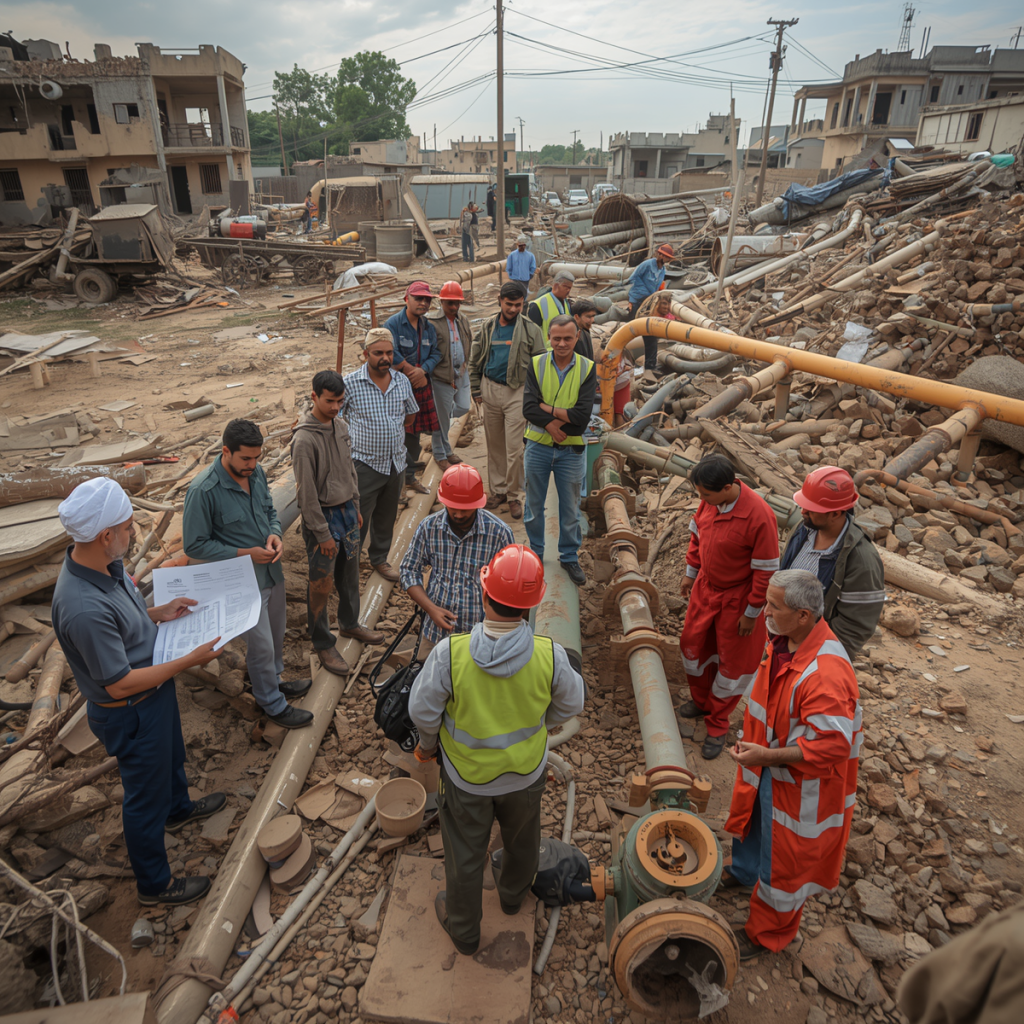
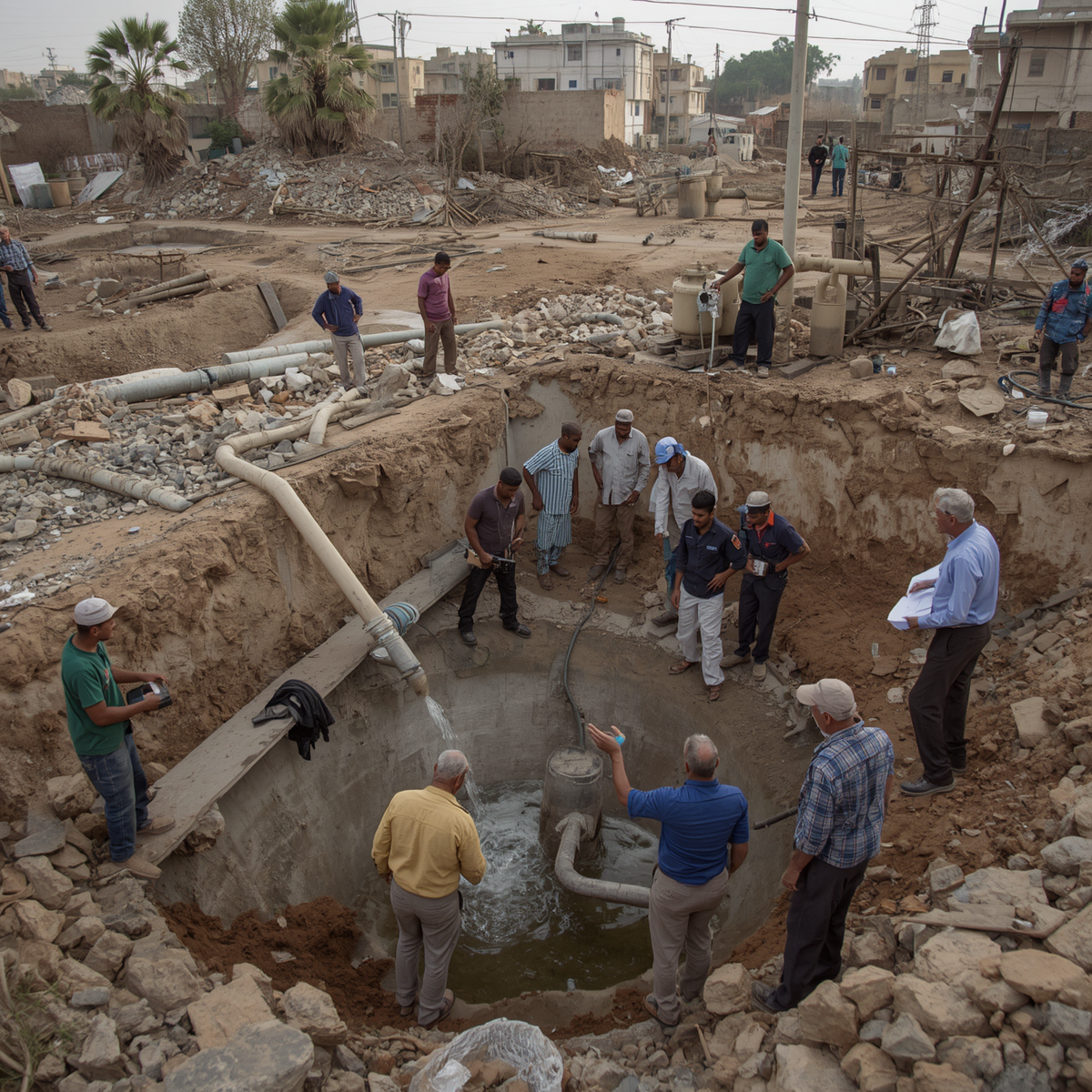
This group within FORWARD Erasmus+ project focuses on water management as a process that encompasses the planning, development, and management of the quantity and quality of existing water resources in all their aspects, but with concentration on water management under war conditions.
Water Management includes the institutions, infrastructure, and information systems that support and guide its applications. It aims to harness the benefits of water by ensuring its availability in sufficient quantities and of suitable quality for drinking water and sanitation services, food production, energy generation, inland water transport, and other uses, as well as maintaining healthy water-dependent ecosystems and protecting its resources.
To achieve water security in normal conditions, it is essential to consider all aspects, such as water scarcity, deteriorating water quality, and the unpredictability of droughts and floods. Water security cannot be achieved through a single path, as forecasting and planning become impossible under increasing challenges such as population growth and climate change. The need for water management becomes even more urgent in situations of wars and conflicts.
Therefore, this group focuses on addressing these challenges through capacity building, enhancing resilience, and providing the necessary flexibility for water management in wartime conditions.
Food Security Working Group
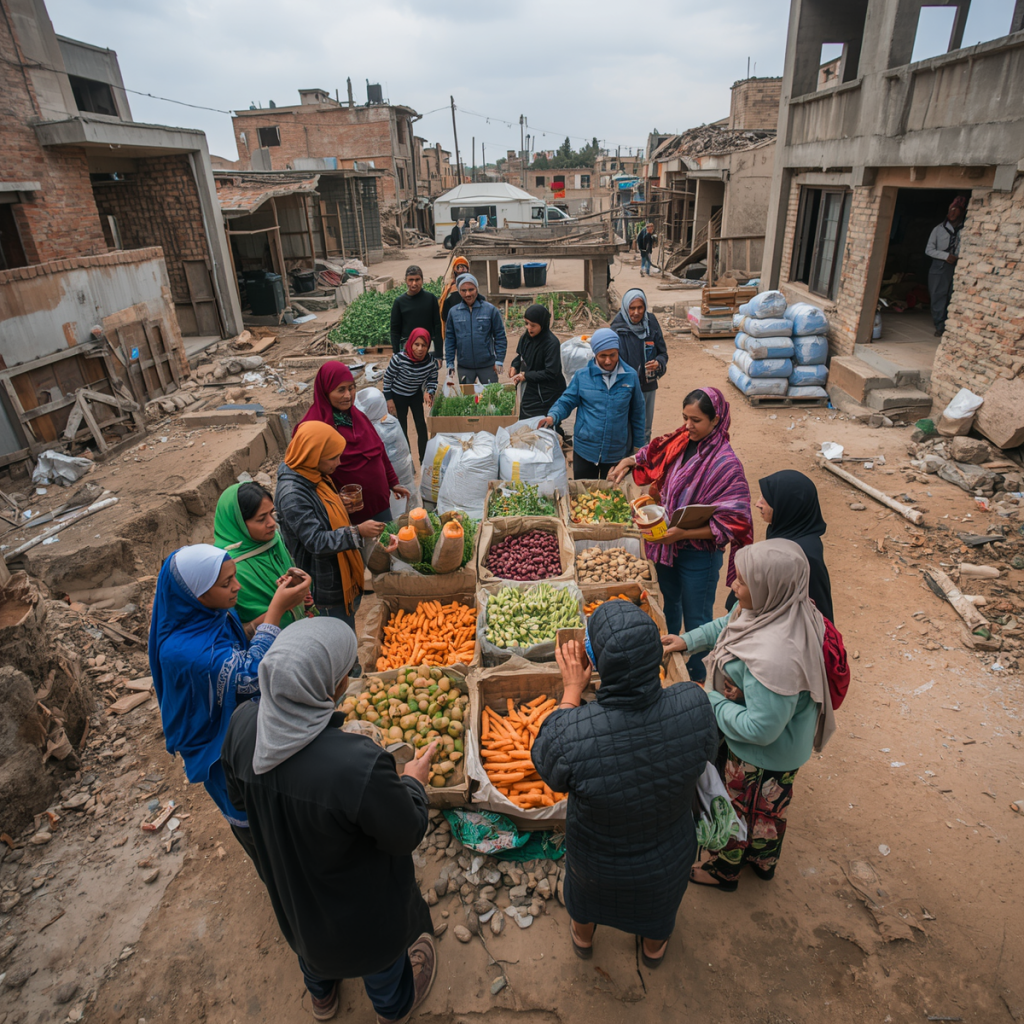
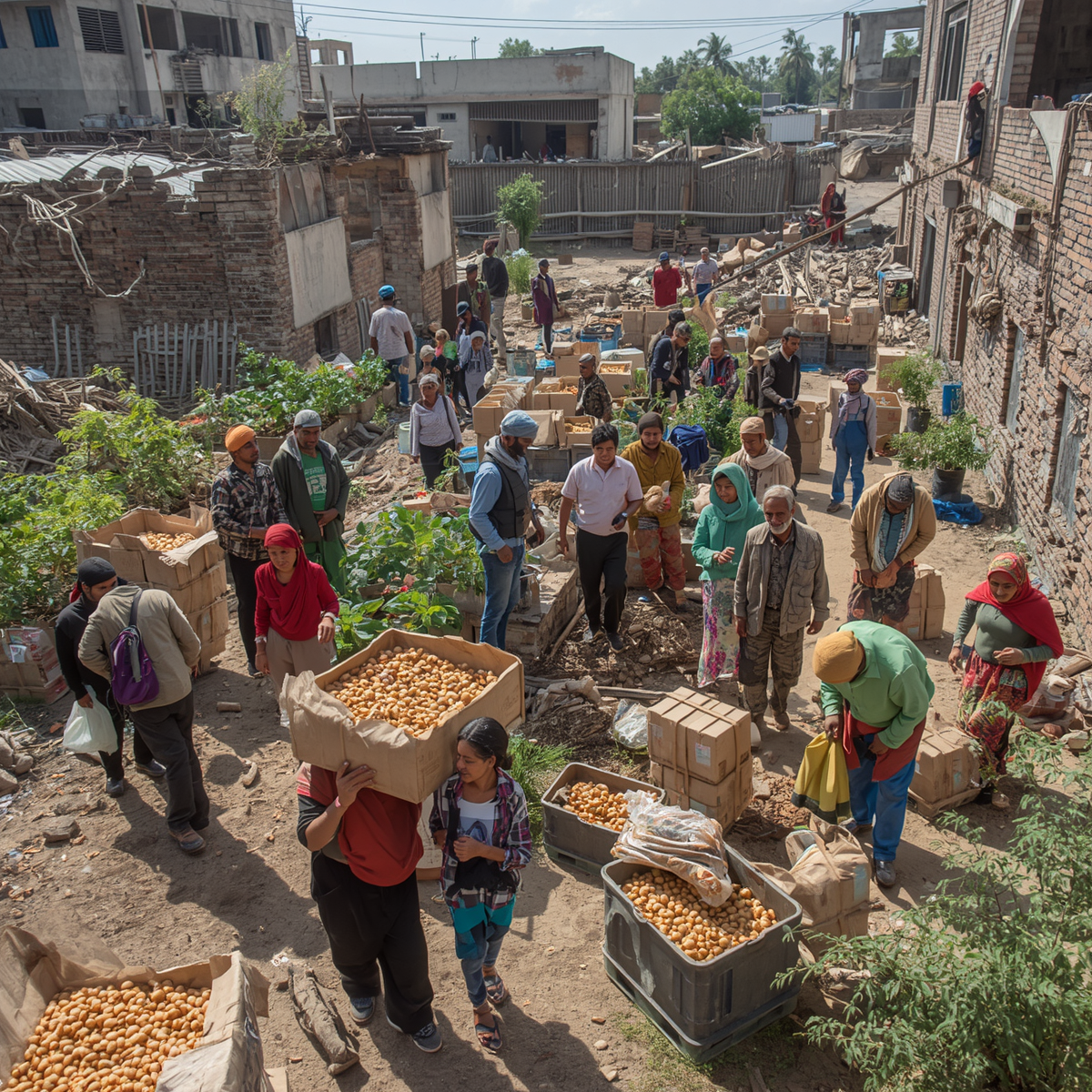
Food security Working Group within the FORWARD Erasmus+ project explores the challenges facing communities in war zones, particularly in Ukraine and Palestine.
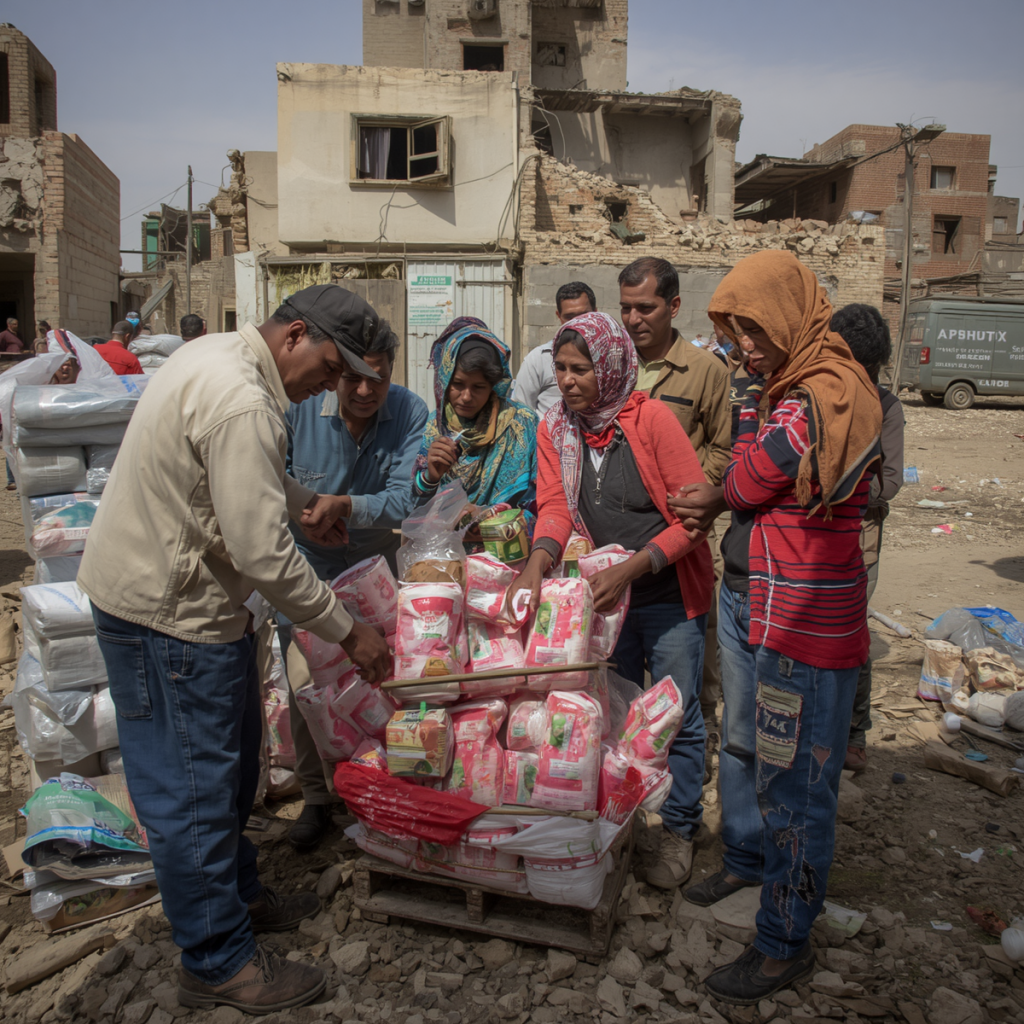
Armed conflicts are a major cause of global food insecurity, leading to famines. Wars displace populations, disrupt food systems, and restrict humanitarian access. They often destroy infrastructure, farmland, crops, and markets, causing severe food shortages and depriving people of basic nutrition, as is the case in many areas, such as Gaza.
The creation of the group aims to study competencies, exchange experiences, and develop appropriate actions and strategies to overcome challenges and bridge the gaps between theory and practice in order to provide the knowledge necessary to secure food during wars.
Energy Sustainability Working Group
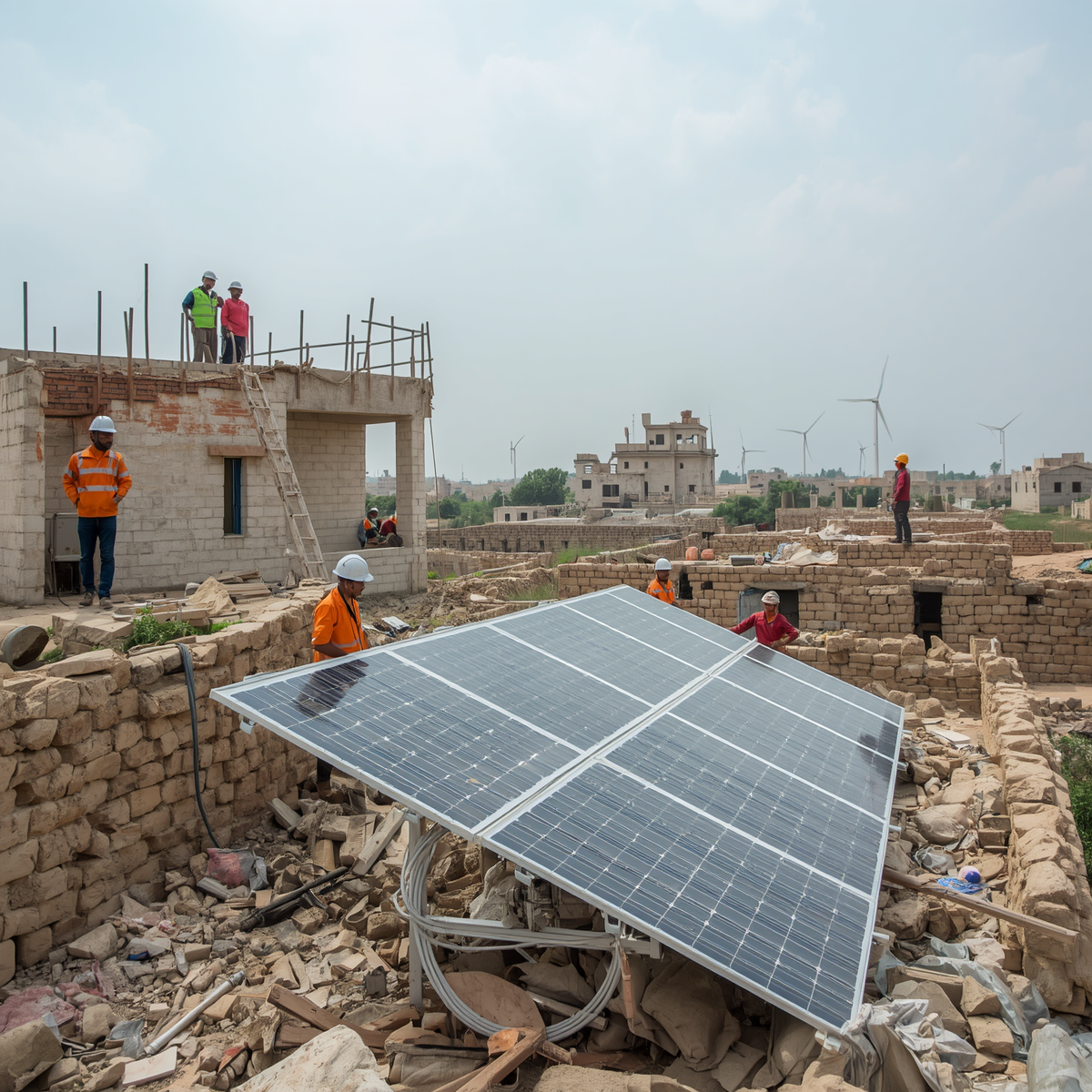
Energy Sustainability Group This group within the FORWARD Erasmus+ project focuses on energy sustainability as the process of planning, developing, and managing energy systems to balance supply, demand, and environmental impact, with a specific emphasis on war conditions.
Energy Sustainability encompasses the institutions, infrastructure, and information systems that support and guide energy applications. It aims to ensure reliable access to affordable and clean energy for critical functions—household needs, healthcare, food production, water treatment, transportation, and communications—while promoting energy efficiency, renewable supply, and the protection of energy-related ecosystems and resources.
To achieve energy security under normal conditions, it is essential to address energy availability, quality, resilience, and affordability, as well as the risks posed by supply disruptions and market volatility. Energy security cannot be guaranteed by a single solution, especially under increasing pressures from population growth and climate change. The challenges are amplified in conflict and wartime scenarios, where continuous energy access becomes even more critical.
Therefore, this group concentrates on mitigating these challenges through capacity building, resilience enhancement, and delivering the flexibility required for robust energy management in wartime contexts.
Housing and Sheltering Working Group
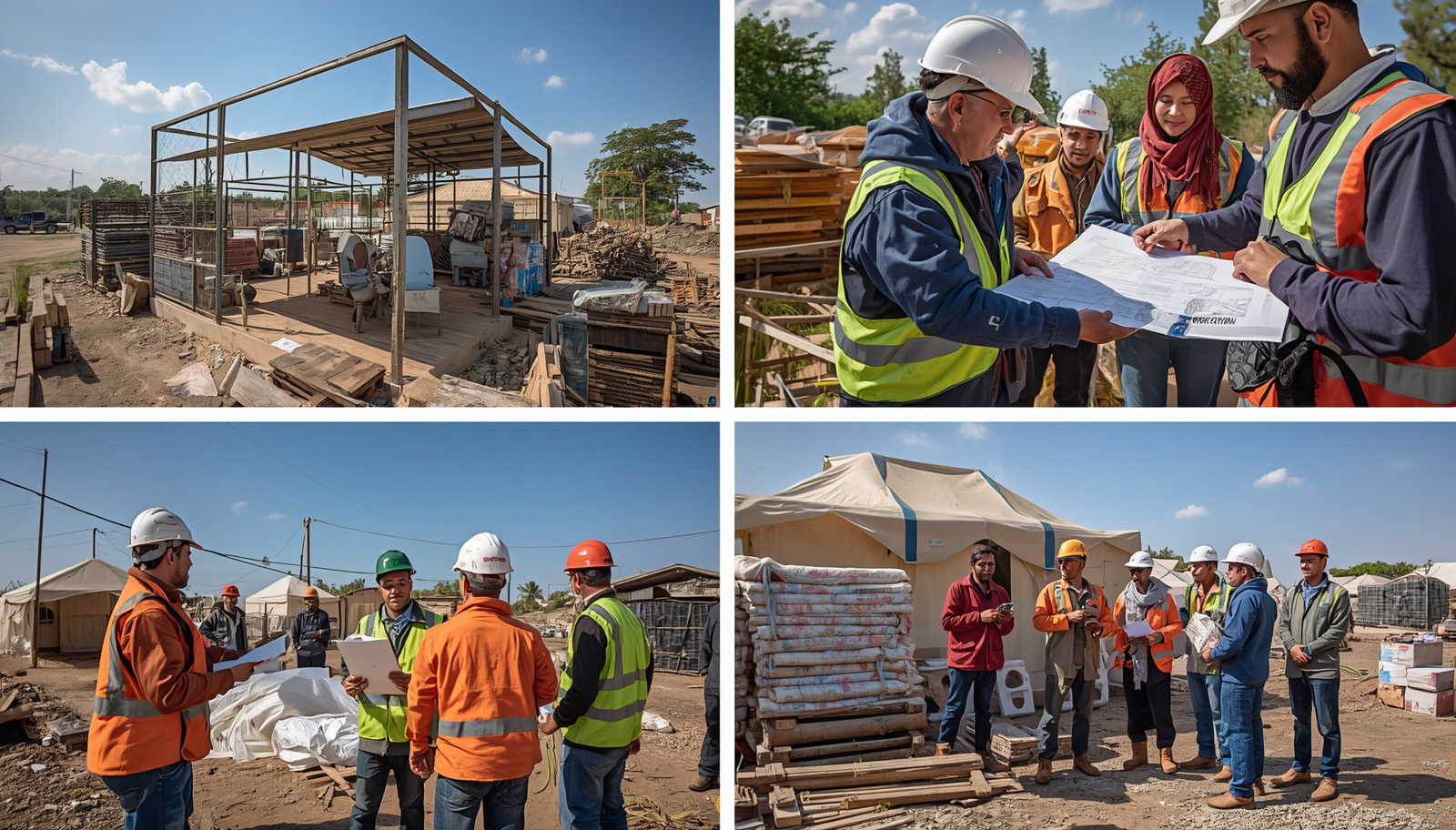
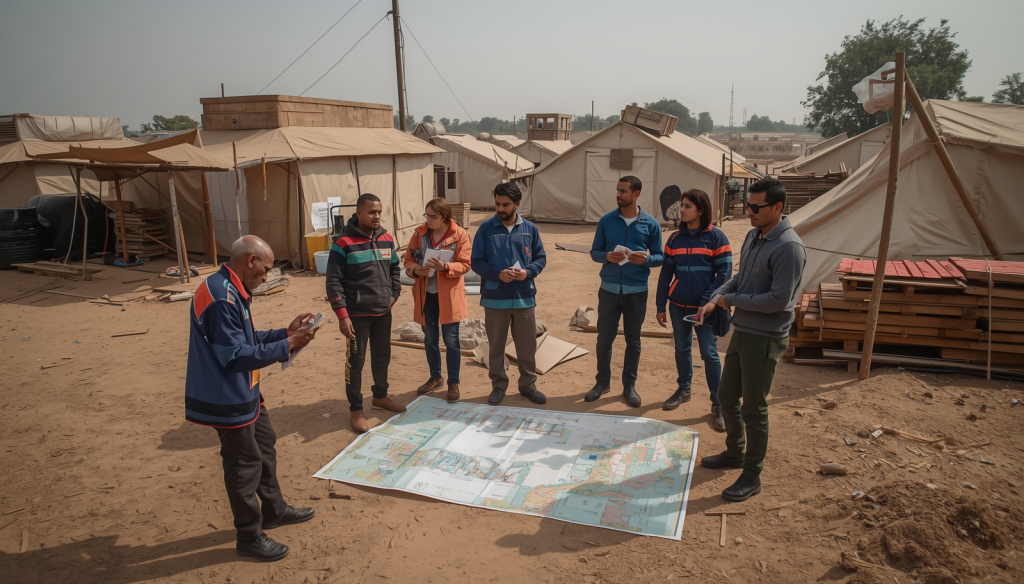
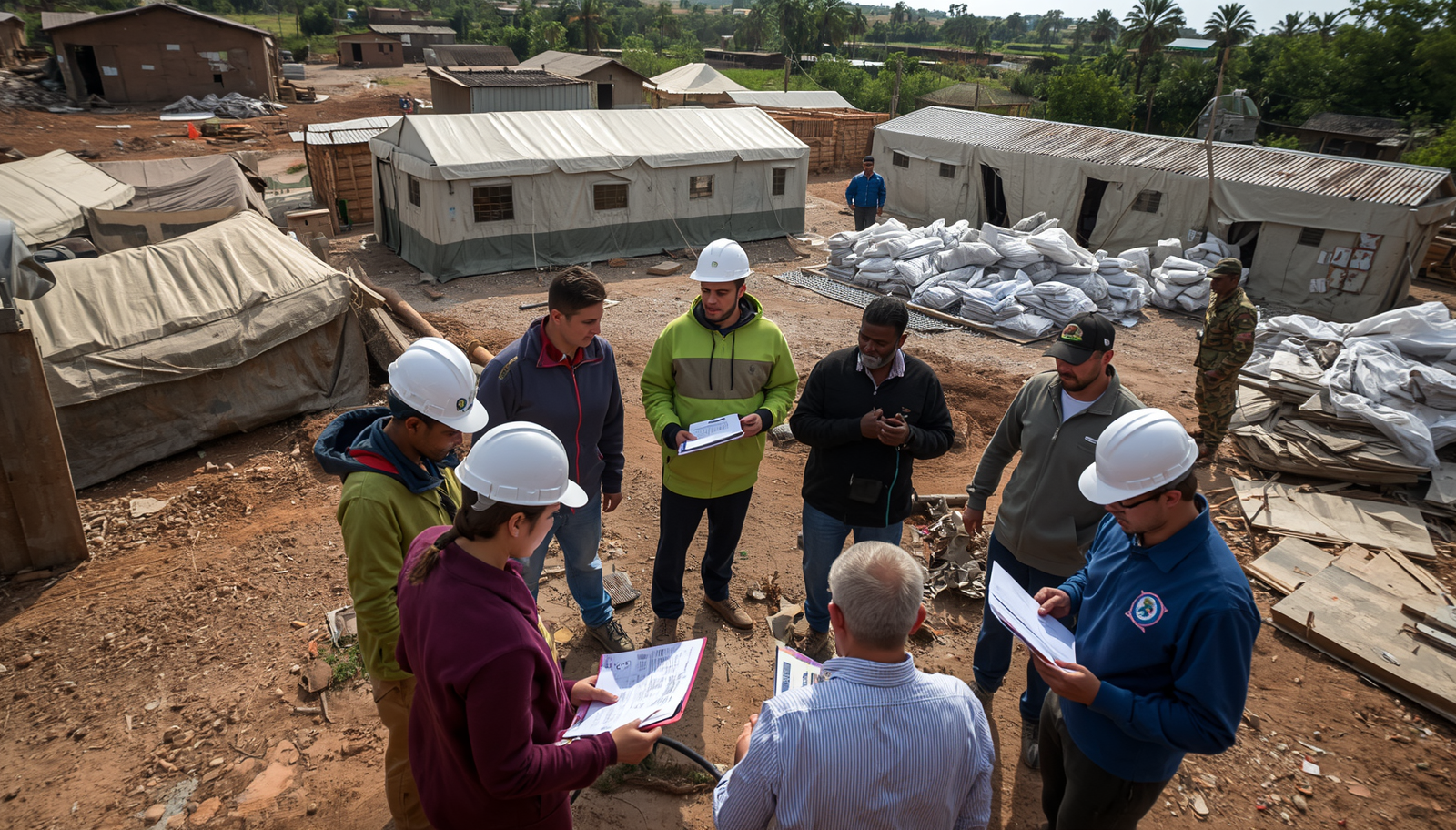
The Housing and Sheltering Working Group focuses on understanding and addressing the critical challenges affecting housing and shelter systems during and after conflict, with an emphasis on urban resilience, displacement, and recovery. The group examines the full cycle of housing disruption, from immediate destruction and displacement to long-term reconstruction and sustainable development.
Its core objectives include identifying key challenges facing the housing sector and displaced populations, such as the destruction of residential buildings, damage to infrastructure, overcrowding, a lack of affordable housing, and inadequate temporary shelter solutions. The group also explores legal, political, and planning barriers, particularly issues related to property rights, land ownership, and reconstruction processes.
A central area of interest is the coping strategies adopted by affected households, including informal housing arrangements, self-repair, and migration, as well as the risks and vulnerabilities within shelter environments, particularly regarding safety, protection, and access to basic services. The group also assesses the impact of war on housing affordability, accessibility, and households’ capacity to rebuild.
In addition, the working group emphasizes resilient recovery approaches, promoting solutions such as community-led reconstruction, adaptive reuse of spaces, improved data systems, and climate-responsive shelter design. It aims to support evidence-based decision-making by developing assessment tools and scenarios that guide short-term responses and long-term housing strategies.
Overall, the group seeks to contribute to safe, inclusive, and sustainable housing solutions that respond to both immediate humanitarian needs and long-term recovery challenges in conflict-affected contexts.
Gender Equity Working Group
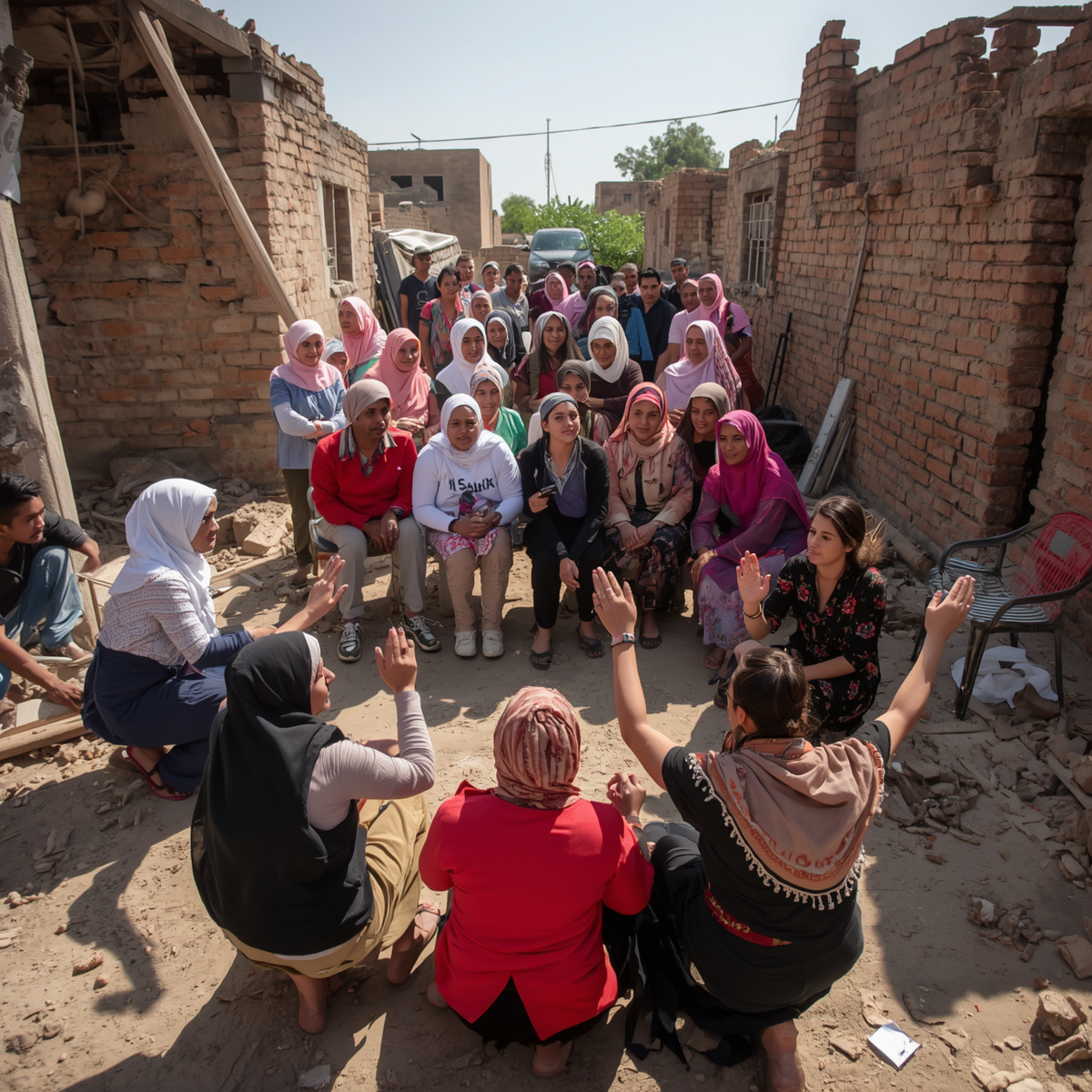
The Gender Equity Working Group focuses on understanding and addressing gender-related dimensions of urban resilience in war-affected contexts. The group examines how conflict and displacement create differentiated impacts on women, men, and vulnerable groups across critical urban systems, including food security, water access, energy services, and housing and sheltering.
Gender equity in this context involves ensuring that recovery, resilience planning, and infrastructure development processes recognize gender-specific needs, vulnerabilities, and capacities. The working group therefore examines how social roles, access to resources, decision-making power, and structural inequalities influence people’s ability to cope with and recover from disruptions caused by war.
A key focus of the group is the identification of gendered impacts across urban systems and the analysis of intersectional vulnerabilities affecting groups such as displaced women, female-headed households, elderly people, persons with disabilities, and adolescents. Particular attention is given to barriers that limit access to essential services, including mobility restrictions, care responsibilities, digital exclusion, economic dependency, and safety risks in public spaces.
The group also addresses ethical and methodological challenges related to collecting gender-related data in conflict environments. This includes promoting responsible research practices aligned with CARE principles, ensuring informed consent, protecting sensitive information, and minimizing risks for participants when studying gender-related issues such as displacement, access to services, and exposure to violence.
As a cross-cutting thematic group, the Gender Equity Working Group contributes to multiple components of the project. Within Work Package 2, it helps identify gender-related knowledge gaps, ethical risks, and intersectionality blind spots across urban resilience domains. These findings contribute to the prioritization of learning needs and the development of gender-sensitive indicators and research approaches.
The group also supports the integration of gender perspectives into the design of the project’s training modules and case studies. This includes promoting gender-sensitive data collection methods, the use of gender-disaggregated indicators, and the incorporation of gender analysis into urban infrastructure planning and resilience strategies.
Through these activities, the Gender Equity Working Group aims to ensure that the FORWARD project promotes inclusive and equitable resilience practices, enabling universities, practitioners, and communities to better understand and address gendered dimensions of crisis, recovery, and sustainable urban development in war-affected regions.